


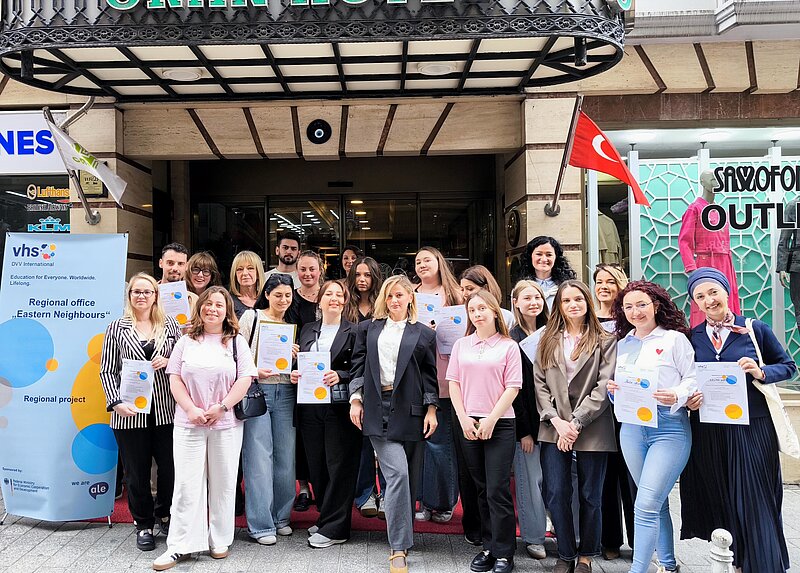
Between 28 and 30 April 2026, DVV International organised the Regional Youth Academy on Adult Learning and Education in Istanbul, bringing together 20 young professionals from Armenia, Bosnia and Herzegovina, Georgia, Kosovo, Moldova, and Ukraine. The event created a dynamic space for learning, reflection, and exchange among emerging specialists actively engaged in civil society and the field of adult education.
The Academy focused on strengthening participants’ understanding of Adult Learning and Education (ALE) by exploring its core concepts, theoretical foundations, and practical relevance. Throughout the programme, participants examined how ALE has evolved over time and how it continues to respond to current societal needs. Discussions also addressed the broader European context, helping participants better understand how policies and frameworks influence adult learning at national and regional levels.
A key component of the Academy was the exploration of the relationship between ALE and lifelong learning. Participants reflected on how these concepts intersect and how they shape professional practice in different contexts. The programme also introduced critical perspectives on education, particularly through the lens of Paulo Freire’s pedagogy, encouraging participants to think more deeply about the role of education in empowering individuals and communities.
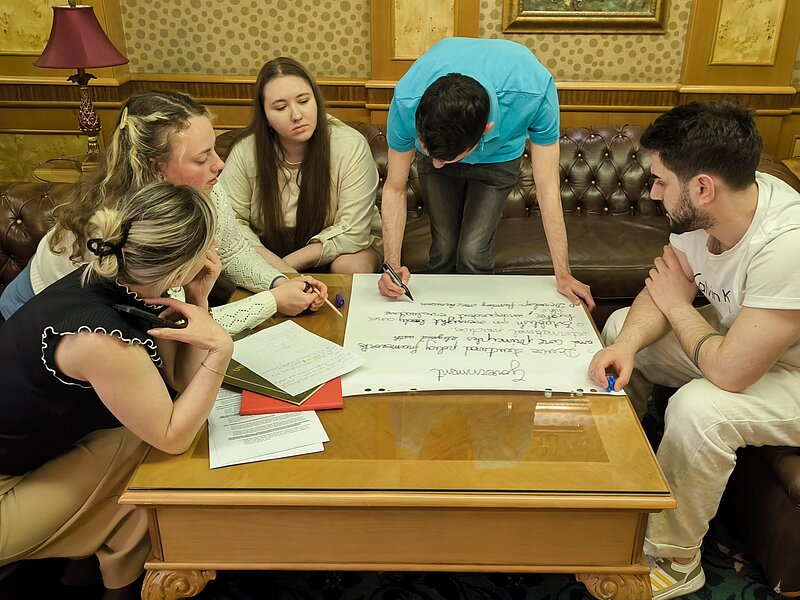
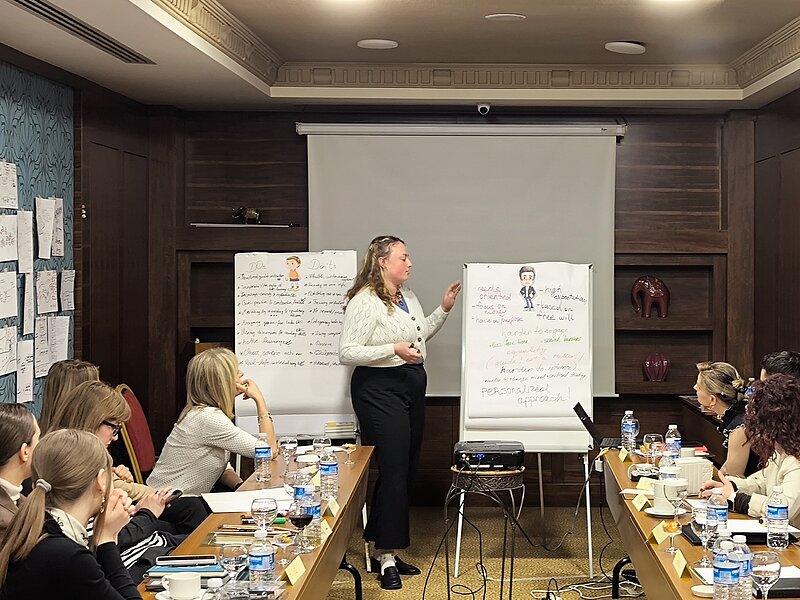
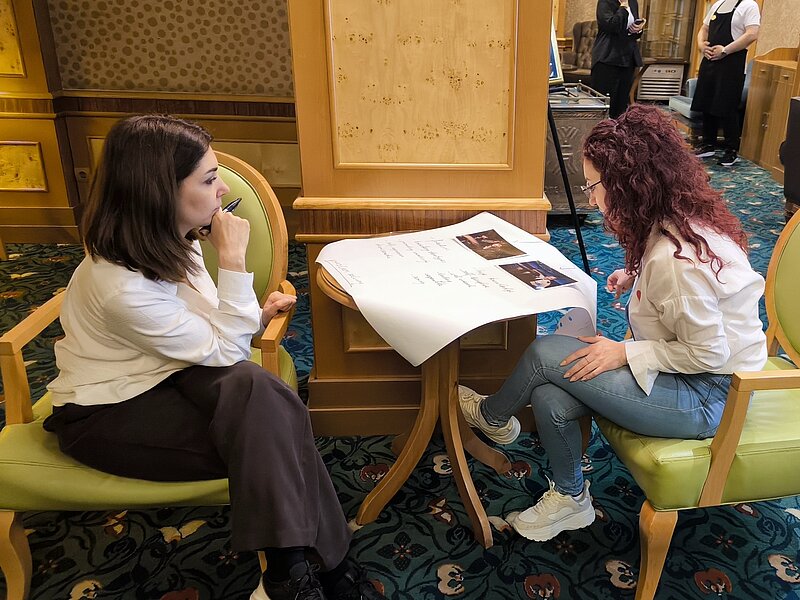
The learning approach combined expert input with interactive and participatory methods. Through group work, guided discussions, and reflection exercises, participants were encouraged to actively engage with the content and relate it to their own professional experiences. This created a collaborative environment where knowledge was not only shared but also co-developed, allowing participants to learn from each other’s perspectives and realities.
An important outcome of the Academy was the strong level of engagement demonstrated by participants. As the sessions progressed, discussions became increasingly rich, with participants sharing insights from their work in different countries and organisational contexts. This exchange highlighted both common challenges and unique national experiences, contributing to a broader regional understanding of ALE.
Beyond the formal sessions, the Academy also fostered meaningful connections among participants. The network formed during the event represents a valuable resource for future collaboration, offering opportunities for continued exchange, joint initiatives, and mutual support across borders. These connections are particularly important in a field like ALE, where cooperation and knowledge-sharing play a key role in driving innovation and impact.
Overall, the Regional Youth Academy demonstrated the importance of investing in young professionals in Adult Learning and Education. By combining conceptual learning with practical reflection and peer exchange, the event contributed to strengthening both individual capacities and regional cooperation. The knowledge gained and connections established during the Academy are expected to support participants in their ongoing work and contribute to the further development of ALE in their respective countries